
Common practices
LAMA CHÖPA : OFFERING TO THE GURU
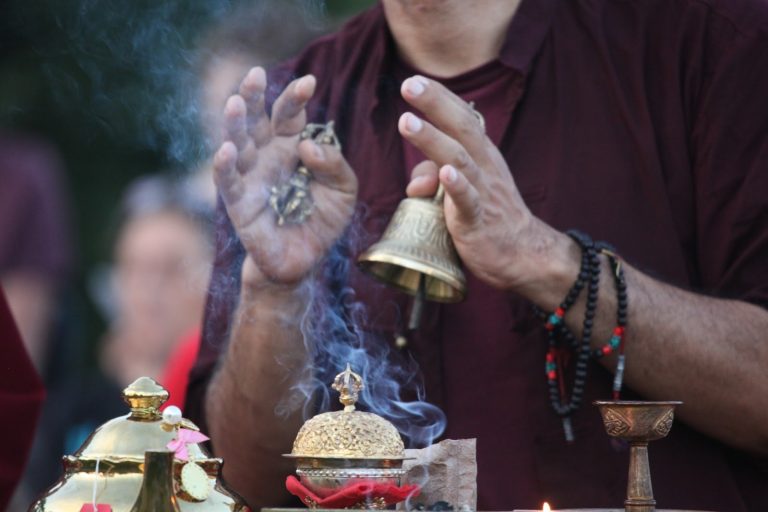
The offering to the spiritual master is a complete practice that combines the essential points of the sutras and tantras. The various meditations that make up this ritual allow for the accumulation of merits and the purification of negative imprints. It is also a method to receive the master’s blessings and increase realizations.
In addition to the offering of tsog, intended to restore the link with the master, in our tradition this ritual is often associated with preparatory practices (Jor Chö) and recalls the stages of the path to awakening (lam rim).

French only
THE PRACTICE OF TARA
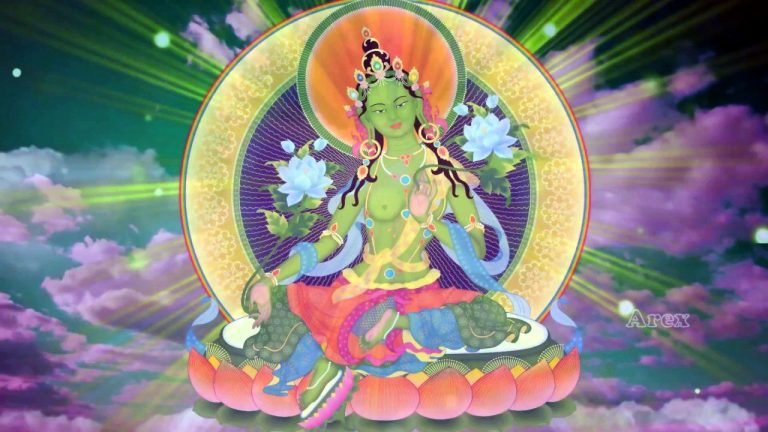
Tara the Liberator is the personification of the enlightened activity of the buddhas in a feminine form. Her practice protects from all fears, dangers, diseases and other difficult situations. It also removes obstacles for oneself and for others, thus creating favorable conditions for the practice of Dharma.
On the ultimate level, Tara is none other than the primordial wisdom of all buddhas and all beings.
French only
THE PRACTICE OF MEDICINE BUDDHA
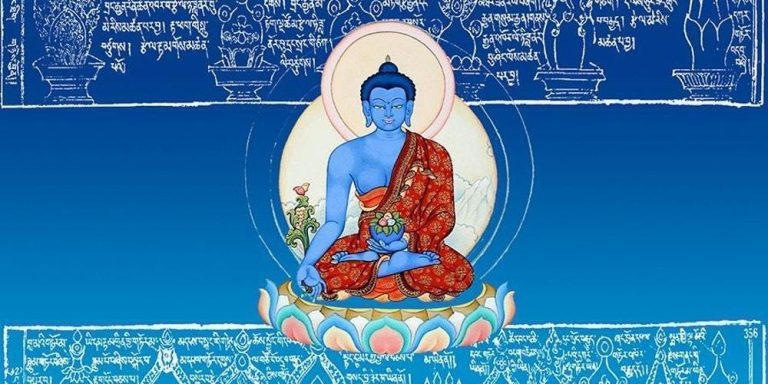
The ritual practice of the Medicine Buddha and his seven assistants, including Shakyamuni Buddha, is particularly powerful for invoking healing energy.
The visualization of this blue Buddha, holding a medicinal plant and a bowl filled with nectar of immortality, combined with the recitation of his mantra is both beneficial to oneself and to anyone affected by illness or at the end of life.
This ritual is especially recommended for those who wish to heal and save.
French only
VAJRA YOGINI SELF-INITIATION
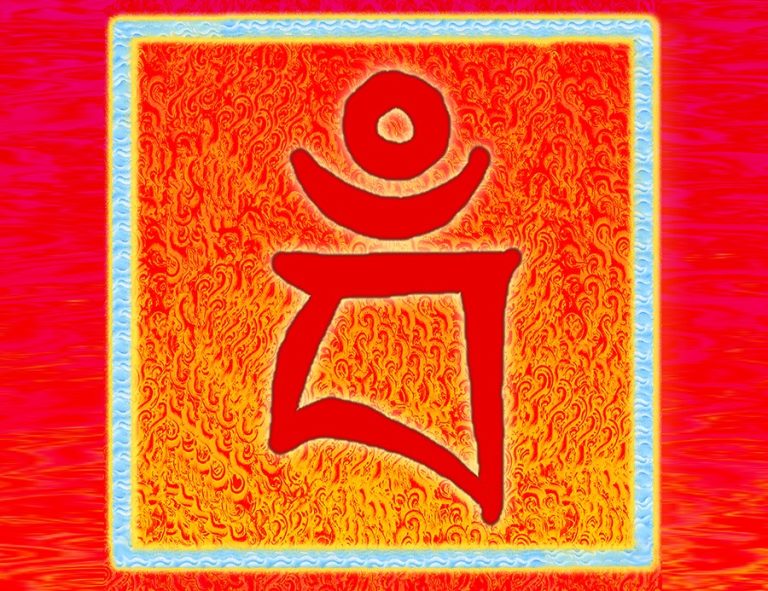
The practice of Vajra Yogini is part of the Unsurpassable Yoga (Anuyoga) class, a higher tantra that requires a full initiation of this particular tantra class.
This practice is reserved for practitioners who, in retreat, have recited the 100,000 mantras and performed Vajra Yogini’s fire puja.
French only
Events of the Tibetan Buddhist calendar
All these dates are given in relation to the Tibetan lunar calendar and thus correspond to the Tibetan months.
Losar
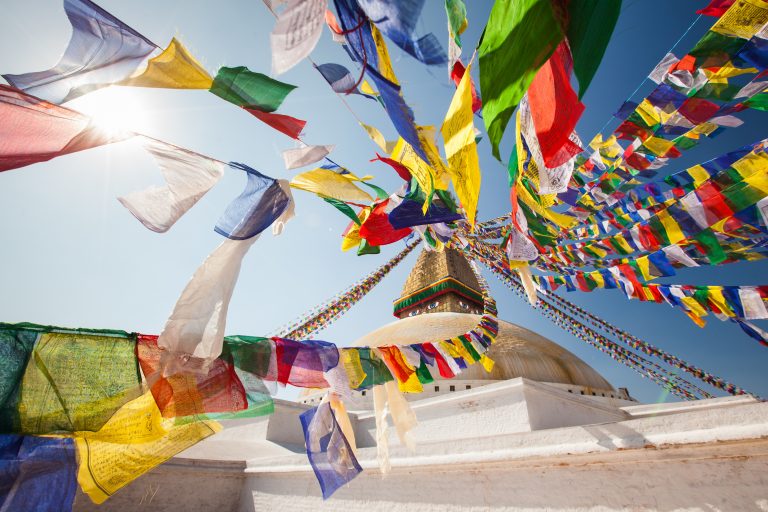
It is the festival of the Tibetan New Year. Losar literally means new year (lo = year, sar = new). With the festival of the Great Prayer (Monlam) founded by Tsongkhapa in 1409, it is one of the two most important Buddhist festivals in Tibet. Losar is celebrated during 15 days, the main celebrations taking place the first three days.
Chotrul Duchen
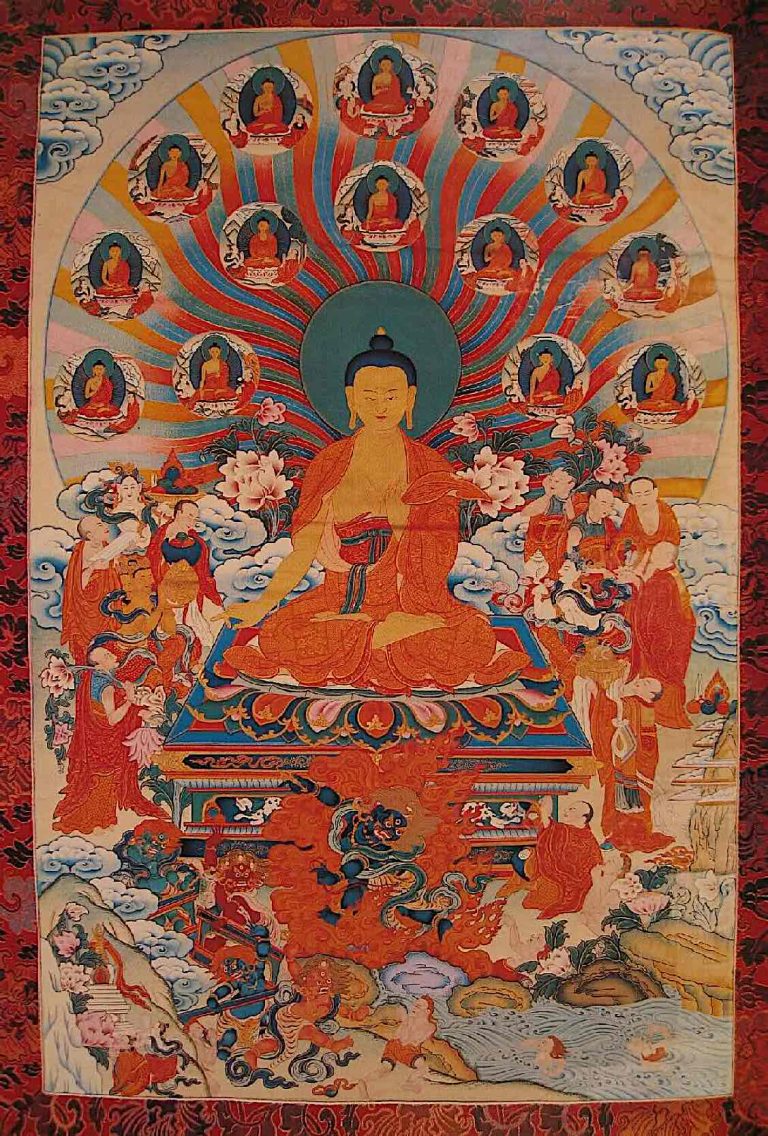
The 15th day of the 1st month.
This day commemorates the last of the 15 days during which the Buddha performed many miracles in order to bring beings to transform and take control of their minds.
Saka Dawa
The 15th day of the 4th month.
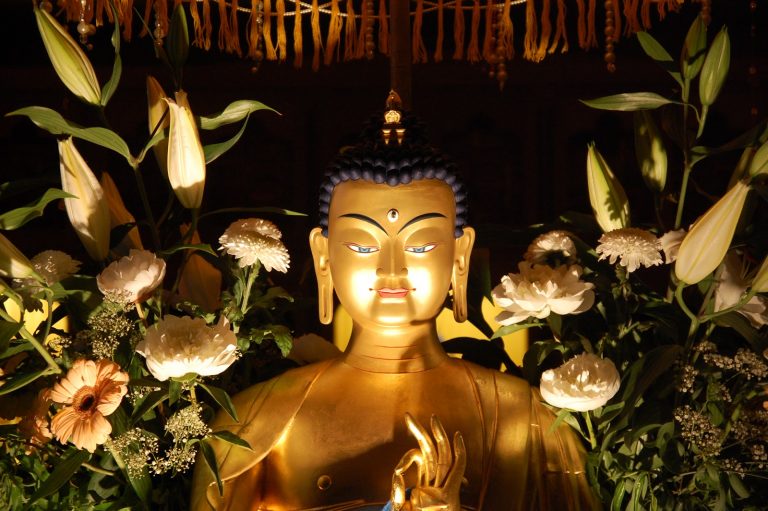
Tampé, Sangyé and Nyangdé Duchen : anniversary of the birth, the Awakening and the Parinirvana of Shakyamouni Buddha.
“Saka Dawa” literally means the “month of Saka”, Saka being the name of this 4th month.
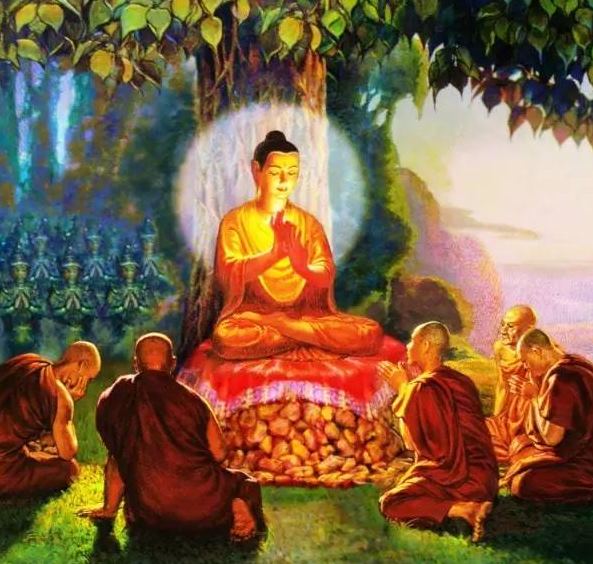
Chökhor Duchen
The 49th day after “Saka Dawa”, that is the 4th day of the 6th month.
Anniversary of the day when the Buddha turned the Wheel of Dharma i.e. taught, for the first time. This happened in Isipatana, near Varanasi, and He taught the Four Noble Truths there.
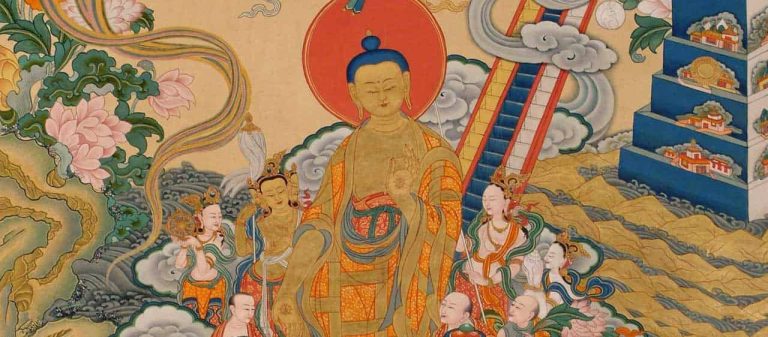
Lhabap Duchen
The 22nd day of the 9th month.
This day commemorates the return of Buddha Shakyamuni from his three-month retreat in Tushita – one of the realms of the gods of the desire world. Indra and Brahma asked him to come back to us 7 days earlier.
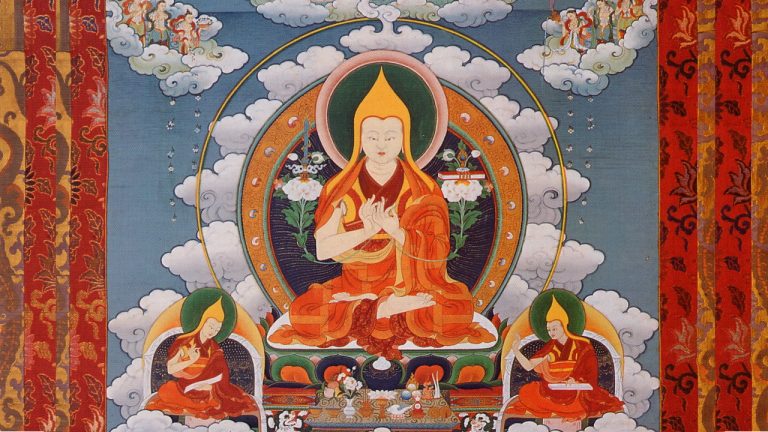
Lama Tsong Khapa
The 25th day of the 10th month.
This day commemorates the death anniversary of Lama Tsong Khapa, founder of the Gelugpa lineage.
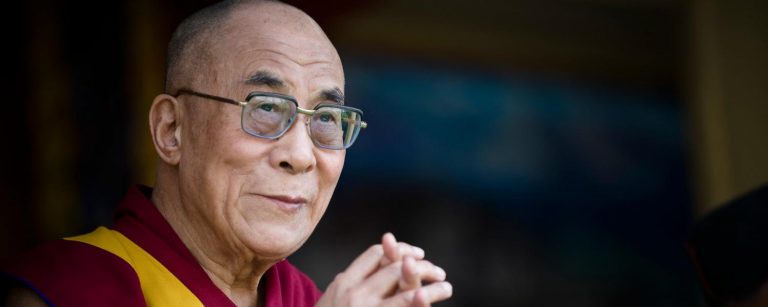
Birthday of His Holiness the Dalai Lama
We celebrate it every year on July 6th.
French only

